From the launch of ChatGPT about a year ago, when very little was said about artificial intelligence, to the dismissal of Sam Altman. What Q-Star is, how it would surpass ChatGPT and other conversational intelligences, and why it risked splitting OpenAI's board.
Let’s start from the end. What is Q-Star (Q*).
It seems that Q* is the secret project that caused the rupture between Sam Altman (CEO of OpenAI) and the board of directors (OpenAI’s “board”). According to rumors, Q* would be the first existing AGI in the world, where AGI means Artificial General Intelligence. A new generation of artificial intelligence, different from the previous ones, more similar to human intelligence, because it is capable of generality in solving problems. The main characteristic of the artificial intelligences developed so far is that they are narrow intelligence, that is, generative models that know how to solve a specific set of problems, but are not able to abstract from that problem and therefore cannot understand or learn.
Q* would be the first AGI (if the rumors are true) capable of solving elementary-level mathematical problems. The difficulty of the problems themselves is not so relevant; the revolutionary thing is that Q* has a general approach to the problem, not a guided or vertical one.
Q* would be able to understand. And this naturally raises ethical as well as economic problems. The consequences of this type of technology are not easily predictable. It seems that Q-Star is the bone of contention because of which Sam Altman was dismissed by OpenAI’s board on November 17, 2023.
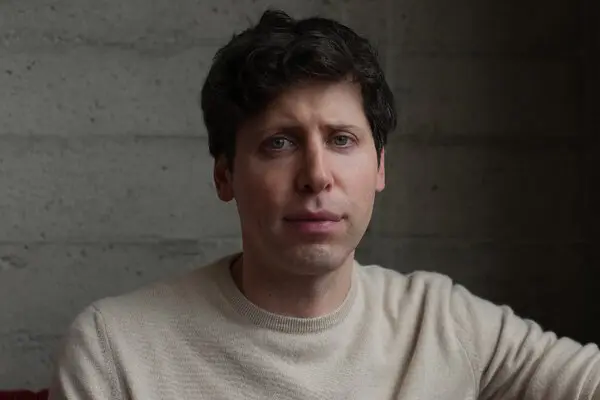
Sam Altman, the deus ex machina of ChatGPT
The Dismissal of Sam Altman
On November 17, 2023, OpenAI’s board of directors informs Sam Altman in a call that it has decided to dismiss him, which will then be officially communicated shortly afterward on OpenAI’s blog. The statement reads: “Mr. Altman’s departure follows a deliberative review process by the board, which concluded that he was not consistently candid in his communications with the board, hindering its ability to exercise its responsibilities. The board no longer has confidence in his ability to continue leading OpenAI”.
At the time of these decisions, the board is formed by employees Greg Brockman (President), Ilya Sutskever (chief scientist), Sam Altman (CEO), joined by external members Adam D’Angelo (CEO of Quora), Tasha McCauley (a consultant for Rand, an organization close to the American defense sector), and Helen Toner (Altman’s main antagonist, a supporter of the Effective Altruism approach, who believes AGIs will wipe out humanity). This group of people tries to throw Sam Altman out of the company, with Sutskever’s support; but the coup does not work, because both Brockman and Mira Murati (another high-level insider, appointed interim CEO by the board) remain loyal to Altman and resign.
Only a few days later, a letter emerges signed by about 700 OpenAI employees who threaten to leave the company, to be hired by Microsoft, where in the meantime Altman has already found verbal hospitality as CEO in a new unit created specifically for him for the development of generative artificial intelligence. Let us also remember that Microsoft has invested about 11 billion dollars (yes, you read that right, 11 billion) in OpenAI and appears as a minority owner of OpenAI LLC, which is a “capped profit company” created in 2019 by Altman to attract investment capital.
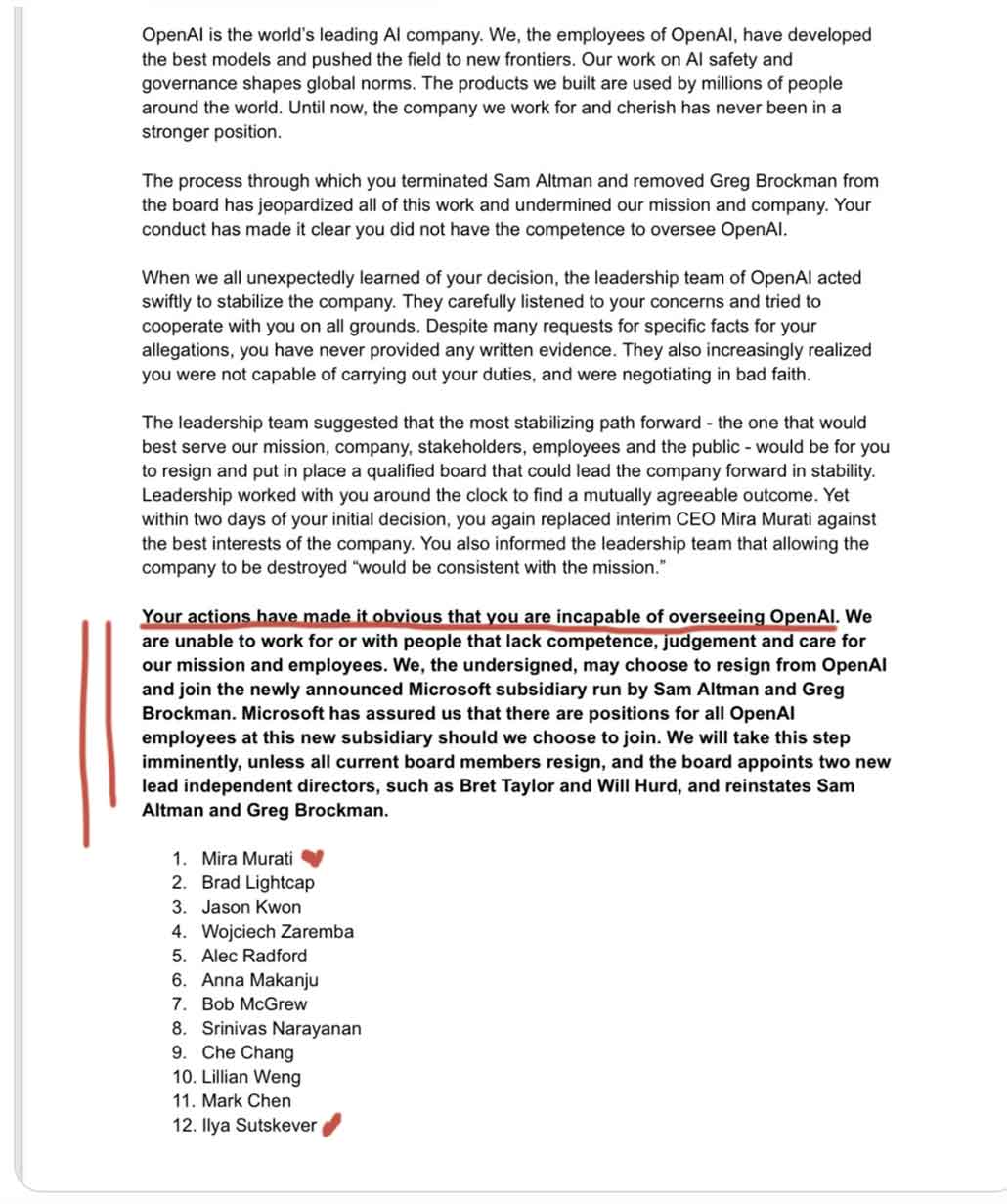
The letter from the 700 OpenAI employees who threaten to resign en masse if Altman is not reinstated
How Much Is OpenAI Worth Right Now and What Are the Interests at Stake?
OpenAI’s current valuation is around 80 billion dollars. This already says a lot about the interests at stake. They are enormous, also because Microsoft is basing the new Bing on ChatGPT, a very powerful weapon against Google, which over the last 20 years has been literally unreachable by competitors. But the wind seems to be changing, because Bard (Google’s version of ChatGPT) is still far behind ChatGPT, which instead has made huge progress in one year.
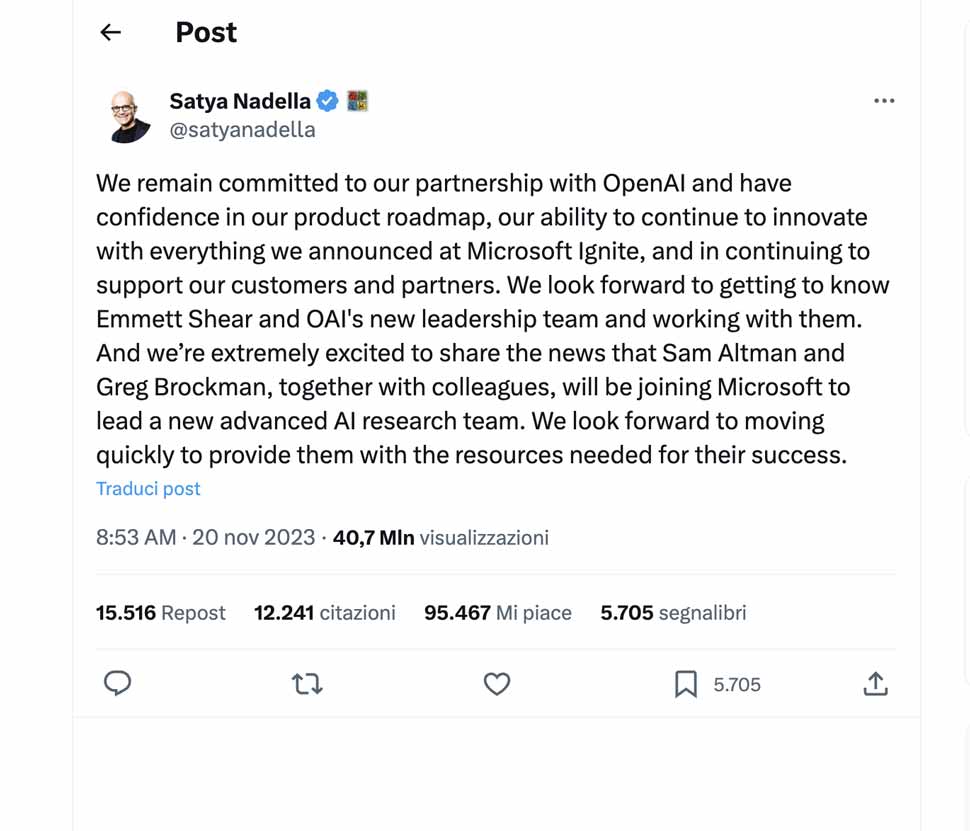
So Microsoft has 11 billion good reasons, and many more, to make sure the project continues and does not sink. And certainly the support of Nadella (Microsoft’s CEO) & friends was decisive in moving the needle in this story, as we will see shortly.
But let us stay with the story. There are two questions: first, why did OpenAI’s board split? Second, why did ChatGPT become so important in just under 12 months? Let us answer the second question first.

I work in digital development, helping organizations and companies face the challenges of digitization. Over the last year I have become quite interested in artificial intelligence, mainly out of passion.
Info and contact
What Is ChatGPT and What Has It Done in the Last Year?
ChatGPT went online on November 30, 2022, and about two months later it became the fastest-growing application ever (later surpassed by Facebook’s Threads, which recently reached 100 million users in a few days, although starting from Meta’s very consolidated user base). In any case, two months after launch, ChatGPT had reached 100 million users. TikTok took about 10 months to reach this milestone, while Instagram took two and a half years, although in a much less digitized era. [Reuters, UBS study]
Technically, ChatGPT is an LLM, a large language model. It is a language model capable of dialoguing and generating language.
In short: it is a chatbot. That is, a program in which you write and receive answers. You can ask it to carry out various operations but also entertain any kind of conversation, because ChatGPT seems to understand the interlocutor. But the very important characteristic that we must not lose sight of is precisely linked to the concept of understanding: ChatGPT does not understand language, not in the sense we mean it, not as a human being would. ChatGPT is a language generator based on statistics. This is not easy to convey, because when talking to ChatGPT one has the feeling of talking to a person, someone who perfectly understands the things we write and who almost always reproduces basic emotions, in the sense that it is courteous, helpful and extremely available.
ChatGPT does not understand language, not in the sense we mean it, not as a human being would. ChatGPT is a language generator based on statistics.
But these humanized characteristics are part of ChatGPT’s product tuning; they have been refined to make the application usable by the masses. ChatGPT, even at the time I am writing (and as far as we know), has no emotional or relational capacity. We are talking about a language model that lines up groups of letters the way a blacksmith would with pieces of metal, based solely and exclusively on the statistical probability that each group of letters will be followed by another, in a given context of meaning.
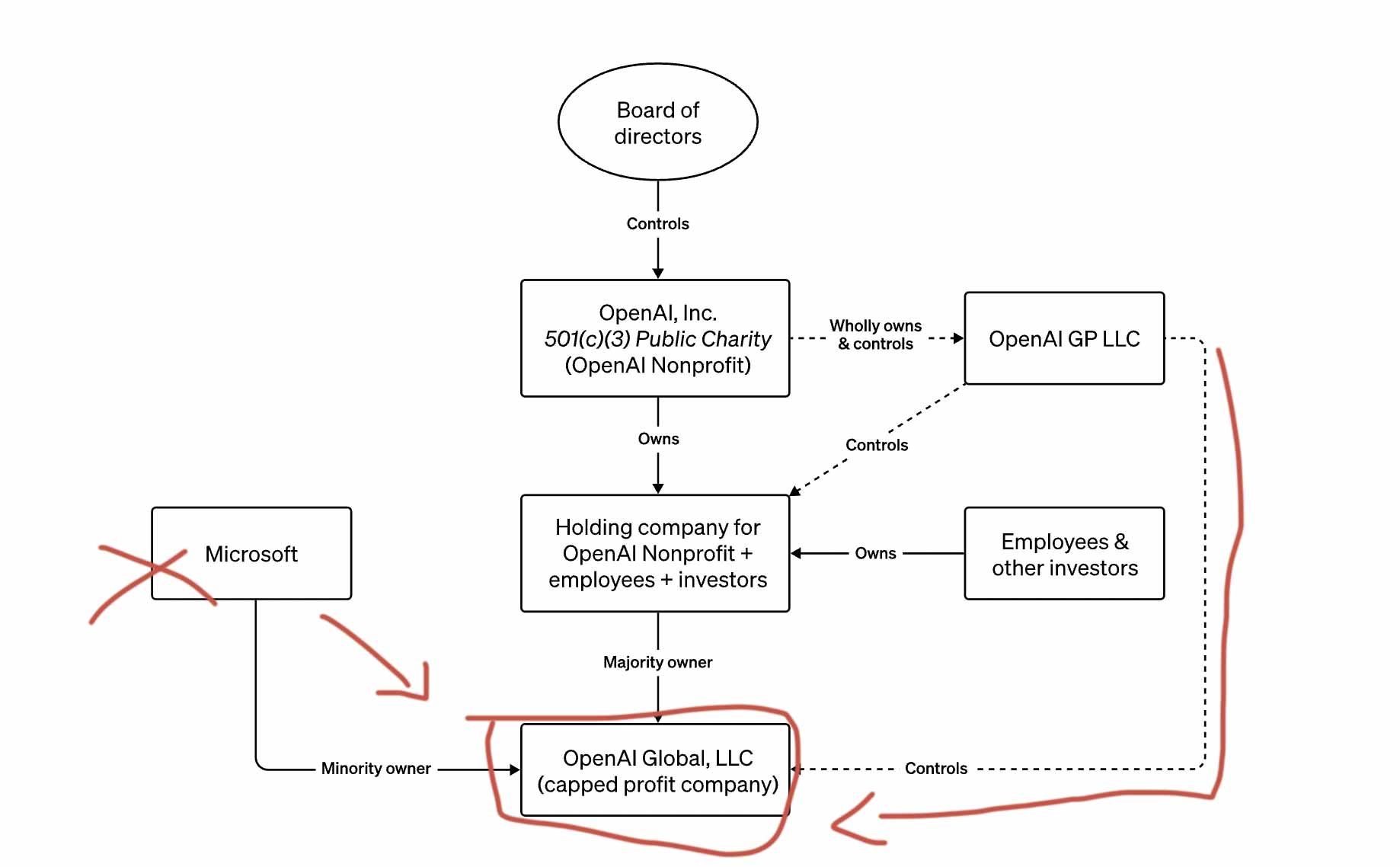
The corporate structure of OpenAI, which was founded as a non-profit organization in 2015 by Sam Altman. Later, in 2019, Altman himself created OpenAI LLC (a capped-profit company) to attract investments
How Did ChatGPT Learn to Speak?
Language models are trained in four phases: pre-training, calibration, reward and evaluation.
It learned pre-training from us. From us human beings. It was fed enormous amounts of text taken from selected sources, more or less in this configuration:
- Books (non-fiction, novels): 15%;
- Wikipedia: 5%;
- Web pages and social media (mainly Reddit): 20% (very precious because they capture informal conversations and therefore reproduce conversational environments);
- Other internet sources not better identified: about 60%.
We are talking about pre-training on an amount of data that is not easy to conceive, but in any case no human being could absorb it even by dedicating an entire lifetime to it. Concrete example: about 50 billion sentences from web pages. If every day I used 24 hours to read and memorize one sentence per minute, I could do 60 times 24, that is, about 1,500 per day, therefore 500,000 sentences per year. To reach 45 billion I would need 90,000 years. Ninety thousand years. Not one thousand years, not ten thousand: almost one hundred thousand years.
To absorb the same data on which ChatGPT performed pre-training, a person would need about ninety thousand years
After pre-training comes calibration. Again using mathematical algorithms, the model’s ability to select language as much as possible within the boundaries of meaning is refined.
Then fine-tuning, meaning the refinement of the final result, takes place through the reward system: on a smaller and more delimited dataset, answers are labeled, in order to optimize response accuracy.
All this always happens within the framework of model evaluation. Evaluation never stops; even when the model talks with us, it learns from the interaction. And this allows it to continue evolving.
However, we are still talking about a language model that does not understand. Powerful and effective in performance, language models like ChatGPT (and also Google’s BERT, for example) do not understand what we say to them. They are "only" super-warehouses of dialogues that, having broken down billions of conversations, have the statistical ability to put together lemmas, the individual pieces of words, and associate them by generating actual language.
This is incredible and fascinating. First, because it works; second, because it demonstrates something that is difficult to understand today, that is, that it is not necessarily necessary to understand what one is talking about in order to be able to talk about it. And I believe this will have future implications for human consciousness and forms of learning, when the time comes.
But let us stay with ChatGPT: it does not understand, not in the human sense, and yet it can answer. What about Q*? Q-Star seems to have surpassed language models, Q* would be a generalist intelligence, at least according to what Altman claims (in this regard, OpenAI reportedly refused to allow Reuters to carry out an independent evaluation of this technology, for reasons of secrecy). In any case, this can help us answer the first question: why OpenAI’s board tried to get rid of Sam Altman.
The “Ethical” Clash and the Three Souls Living Inside OpenAI
Given that we cannot know whether, beyond the ethical clash, there are other more “material” motivations, considering the economic interests at stake, there is a fundamental problem that divided the protagonists of this story.
Inside OpenAI, as far as is known, three different souls coexist, with different visions of what is happening and where the AI “mission” should go.
First, there are the “Altmanians” (and apparently they are the majority), who, albeit with nuances, trust the progress of artificial intelligences and want to bring it immediately to its maximum realization: the development of an AGI, an artificial general intelligence.
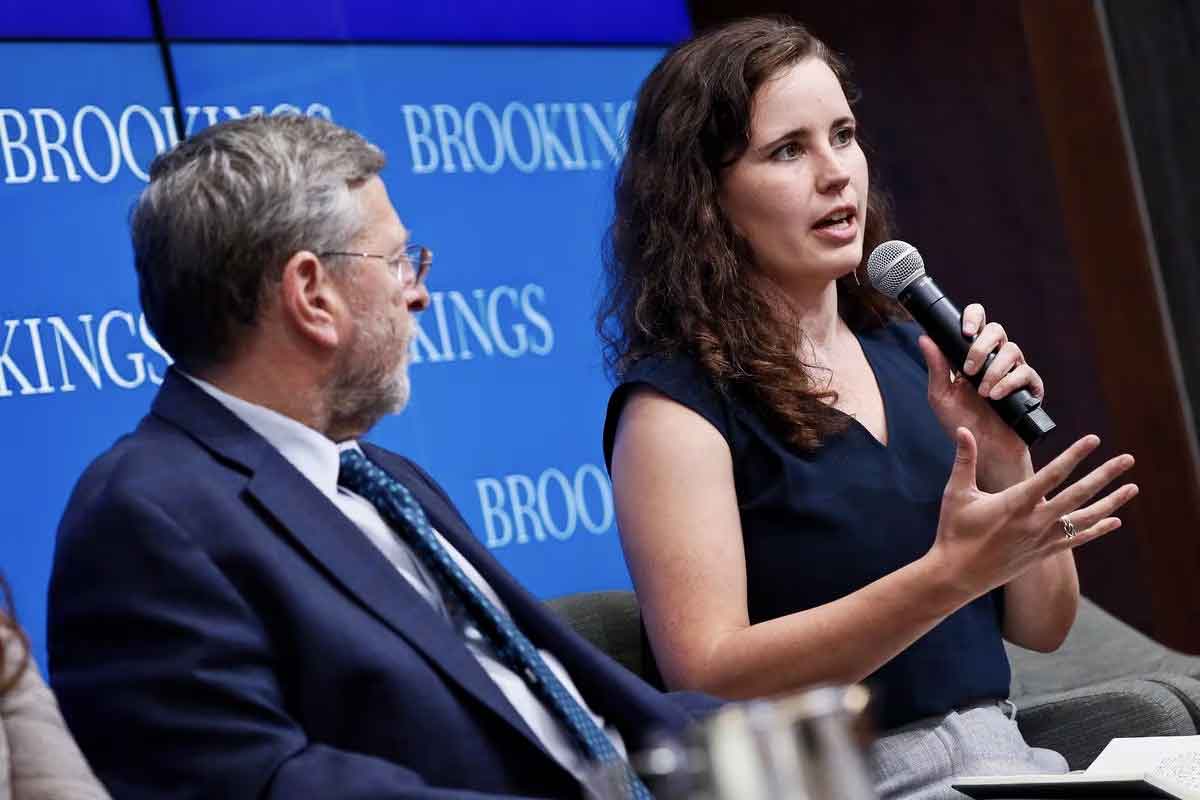
Helen Toner, who among other things argues that artificial intelligences are a danger to humanity
On the other side there is a group (the catastrophists, rightly or wrongly) that would pay greater attention to safety risks and therefore would like to slow down the development of this technology and have more time to test and understand it in a protected environment. This faction includes Ilya Sutskever (OpenAI’s chief scientist) and Helen Toner, a board member and the main bearer of the voice of third-party organizations that believe artificial intelligence may end up erasing humanity.
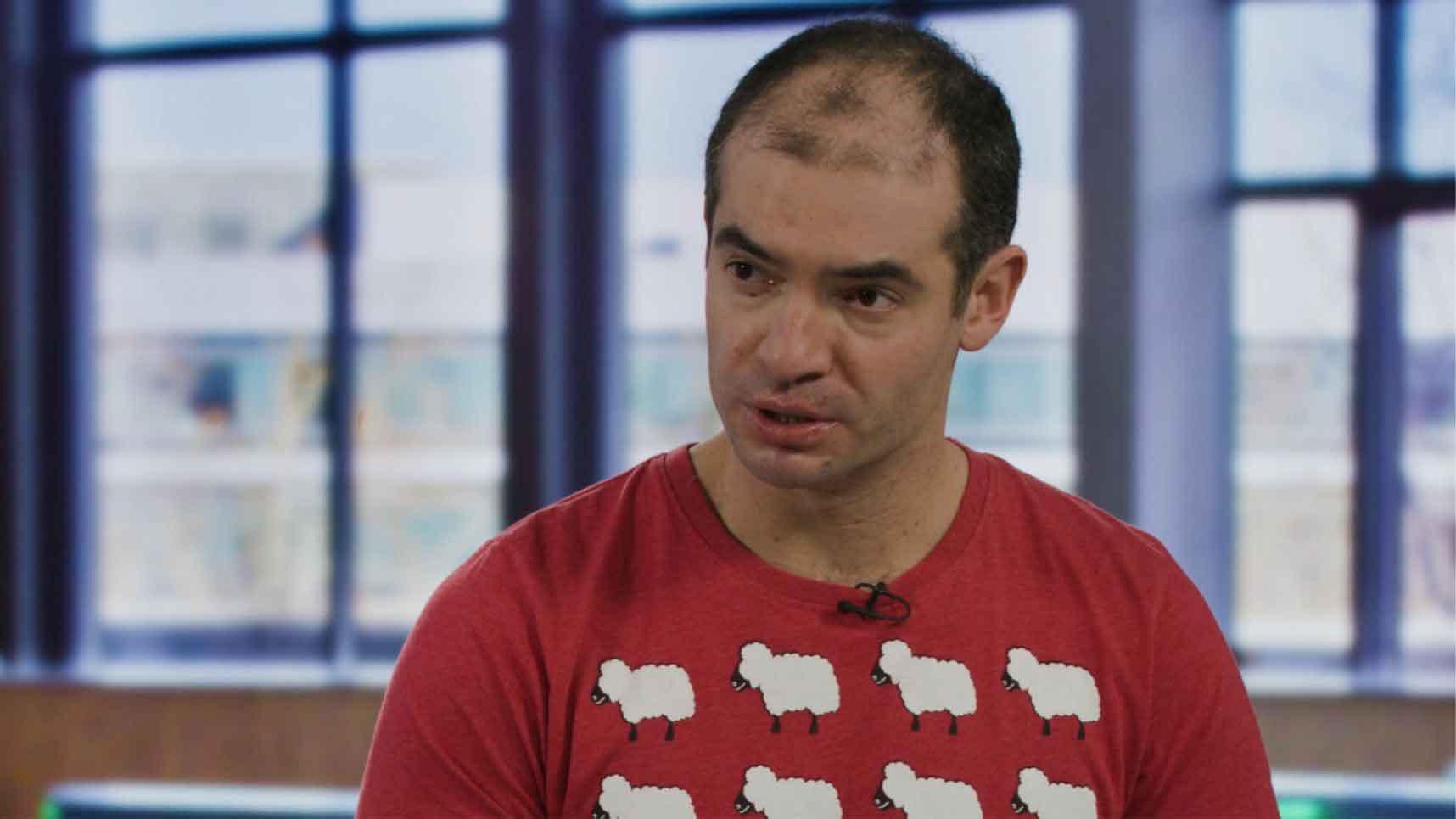
Ilya Sutskever, scientific chief of OpenAI, who initially voted for Altman’s dismissal and then backtracked
Then there is a third, more moderate faction (the “semiconductor people,” as I have renamed them) who believe in immediate but more controlled development (achievable, they say, by limiting semiconductor technology and therefore computing power, so as not to allow uncontrolled evolution of AGIs).
It sounds like the plot of a movie, but it is really happening right now, and it is clear that factions 1 and 3 are winning, at least for the moment. In fact, Altman is reinstated after five days.
Altman’s Reinstatement and the New Board
Final result of this soap opera: for now, the Altmanians win. Five days after his dismissal, on November 22, 2023, Sam Altman is reinstated at OpenAI and the board is substantially reshuffled. Tasha McCauley and Helen Toner, the main opponents, are purged, while Ilya Sutskever remains in place, with an acrobatic U-turn on Twitter (where he says he is sorry, he did not really want to dismiss Altman, let’s save the company together, and so on).
New external members instead enter the board: Bret Taylor as chairman, previously co-CEO at Salesforce and a member of Twitter’s board before the arrival of Elon Musk; and Larry Summers, former U.S. Treasury Secretary, therefore certainly a man close to government circles, not least because this situation is certainly not escaping the White House. Finally, Adam D’Angelo also remains in place, despite having voted against Altman, but he is considered a more independent figure, being a recognized computer scientist on the U.S. scene at the moment.
And now the stage is open again for Altman. It remains to be seen whether Q* will actually be revealed to the world in the coming days or weeks. Stay tuned, as Americans say.
Sources and References
- Reuters: Sam Altman’s ouster at OpenAI was precipitated by board letter about AI breakthrough
- Washington Post: OpenAI Sam Altman CEO oust
- The Guardian: what has been going on at the company behind ChatGPT and why it matters
- Time: Sam Altman OpenAI return timeline
- ANSA: OpenAI, Altman’s parabola and the unveiling of Q
- Reuters: ChatGPT sets record for fastest-growing user base
- Wired: generative artificial intelligence, scraping and training data
- Internazionale: USA, OpenAI, Altman returns
- BigData4Innovation: ChatGPT training and how AI models are trained
- Spiceworks: What is narrow AI
I have worked on SEO since 2005, when we were still looking for music on Napster. I am a growth manager, my job is to bring qualified traffic to websites. I have a sixth sense for content development, refinement and charm. I walk a lot and I go to the sea.
Request info